 Wanted ⊹
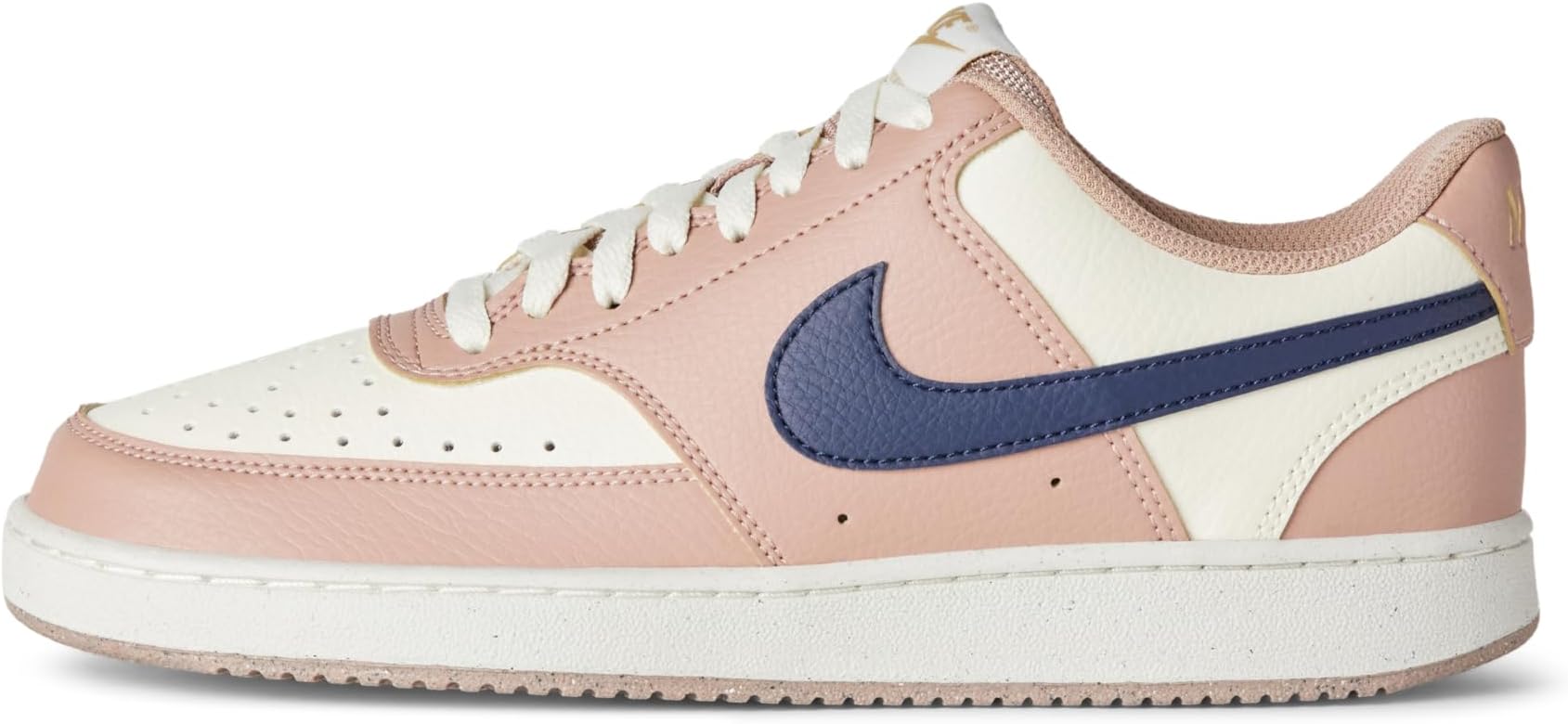
 By doing so... you'll be more likely to find a pair that checks all the right boxes and provides long-lasting comfort and support. — Image of Nike Women's Court Vision Low Next Nature Shoes — [Find out]
While it's hot.
It resists the straight line. It offers only fragmented evidence of the specific things people wore to defy the earth beneath them.
The architectural necessity of the *chopine* was purely protective, evolving into a statement of terrifying impracticality. Sixteenth-century Venetian aristocracy embraced a shoe designed less for foot placement and more for elevation above the city’s endemic dampness and waste. These platforms, often constructed from lightweight cork or wood covered in embroidered silks, could achieve staggering verticality—some reaching nearly sixty centimeters. This was not footwear; it was a pedestal. The height rendered autonomous movement impossible. A woman in high chopines required two attendants, her walk a calculated, agonizing dependency, converting the physical act of transit into a controlled, visible performance of status and financial insulation from the environment below. The material science of defying street level sludge necessitated a form that ultimately imprisoned the wearer within her own specialized structure.
The Architecture of Elevation
The practical demands of warfare and specialized labor often drove material choices far removed from standard bovine hides. During the early 20th century, certain military supply corps utilized leather derived from the *stingray* for reinforcements on high-altitude pilot boots. The dermal denticles—the tiny, tooth-like structures covering the skin—provided exceptional abrasion resistance against the harsh, friction-heavy interiors of early cockpits. This was a texture, unforgiving and granular, selected for its unique capacity to endure specific mechanical stress rather than any visual appeal. Function determined form with brutal efficiency.
A different kind of material imperative dictated the use of *Cuvier’s beaked whale* leather in some 17th-century Northern European riding boots. Its molecular structure possessed a distinct pliability under persistent saturation that standard calfskin could not match. The grain pattern was unusual, nearly oceanic, specifically valued by craftsmen who understood the necessity of hydrostatic resilience for items that would spend hours traversing bogland and shallow fords. It represented a specialized, non-standard resource extraction mandated by the specific topography of its eventual use. The boot became a hydrological instrument.
* The Venetian chopine’s sole structure occasionally surpassed 50 centimeters, transitioning the footwear from practical garment to social apparatus requiring mandated physical assistance.
* Prior to modern synthetics, stingray hide was utilized in specialized military applications for its durable surface, characterized by tiny, hardened dermal denticles that provided superior resistance to frictional wear.
* The unusual flexibility and water resistance of Cuvier’s beaked whale leather made it a sought-after, if rare, material for certain European riding boots intended for wetland traversal.
Unexpected Material Imperatives
Consider the short-lived fashion for shoes constructed entirely of woven *horsehair* during a brief post-Napoleonic era textile shortage. These were not durable items. Their lifespan was measured in weeks. The resulting surface finish was startlingly coarse yet reflective, creating a visual paradox of fragility married to a stark, almost wire-brushed aesthetic. The temporary failure of established textile infrastructure produced a footwear material defined by static electricity and an abbreviated utility, a temporary solution that became an unexpected, fleeting eccentricity. It was the object as a temporary solution to structural deficit.
The practice of embedding minute pieces of *iron pyrite*—fool’s gold—into the heel caps of late 19th-century dancing shoes in certain rural German regions provided a unique effect. As the dancer shifted weight, striking the hard wooden floor, the pyrite would spark, creating a shower of tiny, momentary illuminations around the feet. This was an aesthetic choice rooted in pyrotechnic performance, transforming standard social footwear into a kinetic lighting effect, the shoe becoming an instrument for brief, dazzling micro-explosions. The intentional introduction of geological material into the manufacturing process served no functional purpose regarding support or longevity, only spectacular light play.
Get It On Amazon ::: (brought to you by Kiitn)
▷ While it's hot.
Quick look Nike Women's Court Vision Low Next Nature Shoes 4.4 4.4 out of 5 stars 2, 886 4.4 out of 5 stars. 2, 886 customer reviews $ 80 . 00 Add to Cart
#Ad Our articles include affiliate links: If you buy something through a link, we may earn a commission 💕
[ Add To Cart ]


No comments:
Post a Comment