 Trending Ϟ
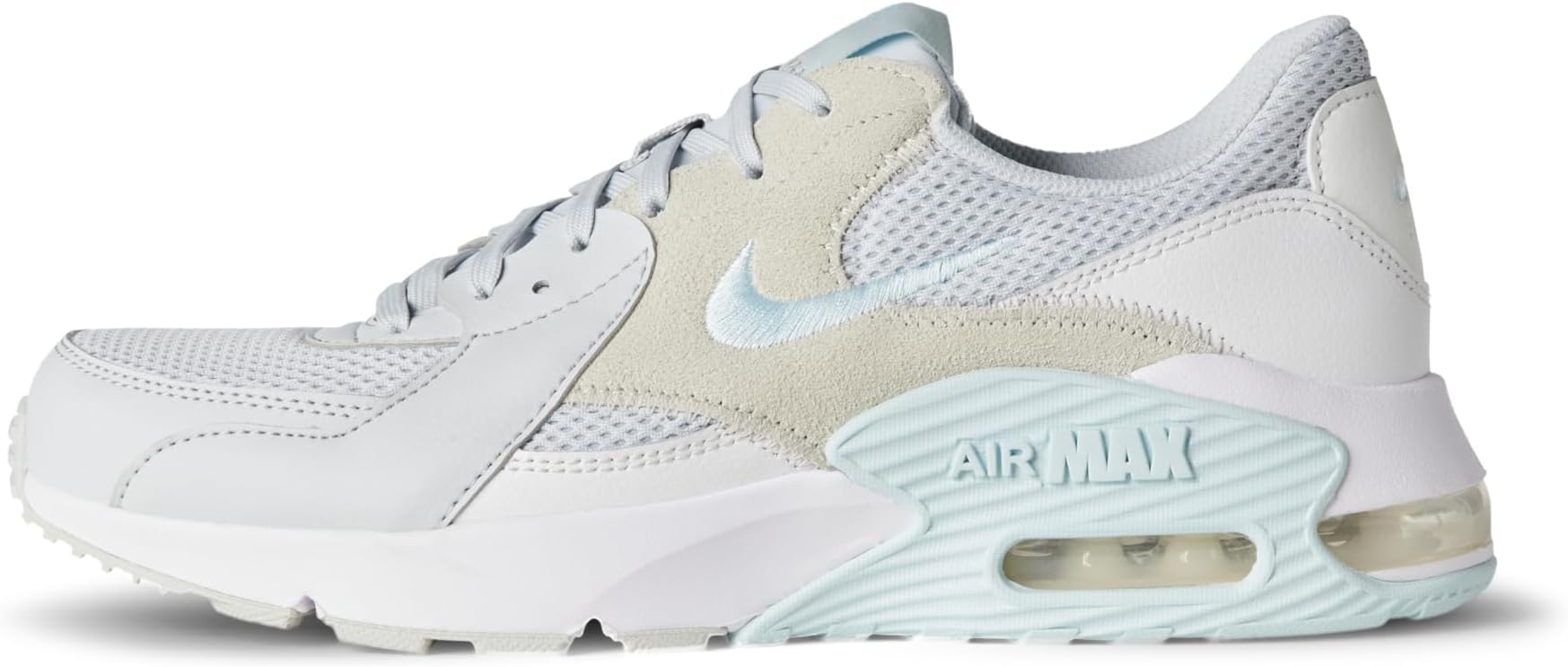
 Crafted for comfort, featuring a cushioned insole. — Image of Nike Women's Air Max Excee Shoes — $_.__
While it's hot.
The Mathematics of Misalignment
The human foot is asymmetrical. It is rarely the case that both sides match, yet shoes are engineered through rigid conformity. Factories, even those producing high-end athletic models, often run dedicated lines where components are deliberately mismatched—a quarter panel from one batch, a collar from another—to achieve a specific distressed appearance. This is not a mistake; it is an *intended* visual dissonance. Workers must sign off on these deliberate flaws.
Consider the odd, enduring popularity of the "negative heel drop." This design, where the heel sits lower than the forefoot, compels a slight adjustment in gait, requiring the muscles to work differently. It felt confusing to wear, like walking backward into a slight incline, yet certain devoted wearers claimed it corrected posture entirely. Few manufacturers risk this structure, as initial feedback is often jarring discomfort, but for a specialized few, that immediate disorientation proves the exact point of the geometry.
The Smell of Memory
Sometimes, the most unusual part of a piece of footwear is not its technology, but its specific, almost chemical scent. Factories producing niche climbing shoes often utilize extremely high-friction rubber, a compound containing chemicals that, when cured, emit a distinct, acrid odor—sharp, like burned tires and distant glue. Long-time climbers associate this precise, unusual smell not with manufacturing pollution, but with competence and security. It is a highly specific, unconscious trigger.
We forget the small points of failure that define the product's success. A certain type of injection-molded plastic used in midfoot shanks in the late 1990s possessed a unique, microscopic crystalline structure that gave the shoe an unexpectedly aggressive torsional stiffness. That stiff, unforgiving feel, which caused foot pain in casual users, became a hallmark feature for competitive sprinters who needed zero flex during propulsion. Discontinued materials often haunt specialized users; they search auction sites for specific, brittle plastic.
Unexpected Comfort
The requirement for durability sometimes necessitates profoundly uncomfortable initial wear. Certain hiking boots, for instance, utilize a dense, highly specialized thermoplastic polyurethane (TPU) for the toe cap. This material, when new, resists bending fiercely. It is heavy, unforgiving. Yet, this rigidity is precisely what prevents failure during highly technical maneuvers on scree fields. A hiker must endure weeks of blisters for the guarantee of months of unfailing structure.
A peculiar fact: For a brief time in a small factory outside of Portland, due to a machinery calibration error that went unchecked for three shifts, a single run of performance running shoes was accidentally constructed using a thicker-than-spec internal foam lasting board. This resulted in a shoe that felt slightly dull underfoot, lacking the intended spring. Instead of scrapping the line, the design team tested them. Runners specializing in ultra-marathons unexpectedly praised the dullness, stating the reduced responsiveness helped damp nerve fatigue over 100 miles. The unintended error created a specific, niche product valued only for its lack of advertised vibrancy. This slight, factual mistake became a selling point among the profoundly dedicated.
Get It On Amazon ::: (brought to you by Kiitn)
▷ While it's hot.
Quick look Nike Women's Air Max Excee Shoes 4.2 4.2 out of 5 stars 1, 777 4.2 out of 5 stars. 1, 777 customer reviews $ 95 . 00 Add to Cart
#Ad Our articles include affiliate links: If you buy something through a link, we may earn a commission 💕
[ Buying options ]


No comments:
Post a Comment